
Pressure Washing vs. Soft Washing for Outdoor Cleaning
People seeking pressure washing vs. soft washing for outdoor cleaning can rely on local contractors to choose the best method for safely restoring decks, fences, patios, or porches.
If you’ve been exploring options for outdoor cleaning, you’ve likely encountered the terms pressure washing and soft washing. Understanding the differences between these methods can be essential for maintaining the appearance and integrity of your property’s outdoor spaces. Property owners in the area often consider these techniques when cleaning decks, fences, patios, or porches, aiming to restore their surfaces without causing damage. Whether you’re preparing for a gathering or simply want to refresh your outdoor environment, knowing which approach suits your needs can help ensure a thorough and safe cleaning process.
Local contractors who specialize in outdoor cleaning services can provide guidance on the best method for your specific surfaces. Pressure washing offers a powerful clean for stubborn grime and dirt, making it ideal for concrete or brick surfaces, while soft washing provides a gentler approach that’s better suited for more delicate materials like wood or painted surfaces. By understanding the practical differences between pressure washing vs. soft washing for outdoor cleaning, property owners can make informed decisions to keep their decks, fences, and patios looking their best. Keep reading to learn more about how these methods compare and how local service providers can assist with your outdoor cleaning needs.
Get Quotes for Deck, Fence, Patio, Or Porch Pressure Washing
- Deck - When wooden decks have stubborn dirt or algae buildup, local contractors often recommend pressure washing for thorough cleaning, while soft washing is used for delicate surfaces to prevent damage.
- Fence - Fences showing mold, mildew, or weathered stains may require pressure washing for deep cleaning or soft washing to protect softer materials like vinyl or painted wood.
- Patio - To remove dirt, moss, or algae from patio surfaces, local service providers choose between pressure or soft washing based on the material and level of grime.
- Porch - Porches with painted or stained surfaces can be cleaned effectively with soft washing to avoid stripping paint, while pressure washing is suitable for concrete or brick porches.
- Pressure Washing vs. Soft Washing for Outdoor Cleaning - Local pros assess the surface material and condition to determine whether pressure washing or soft washing will achieve the best results without causing damage.
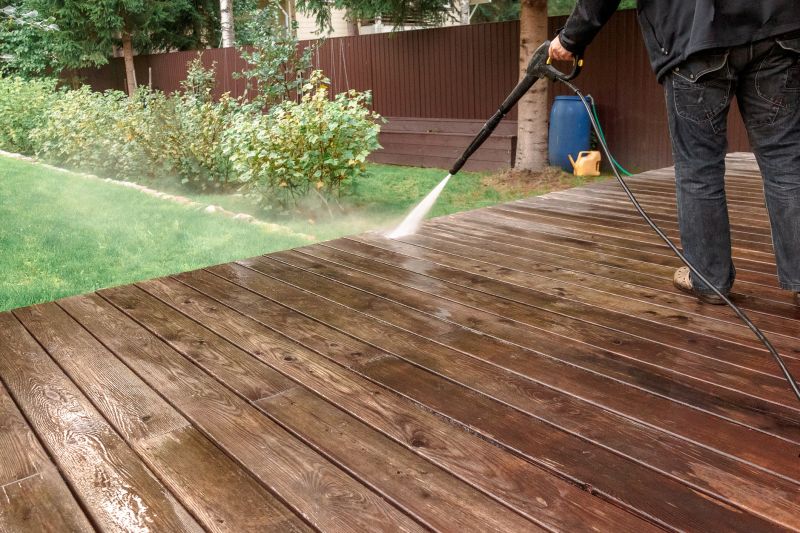
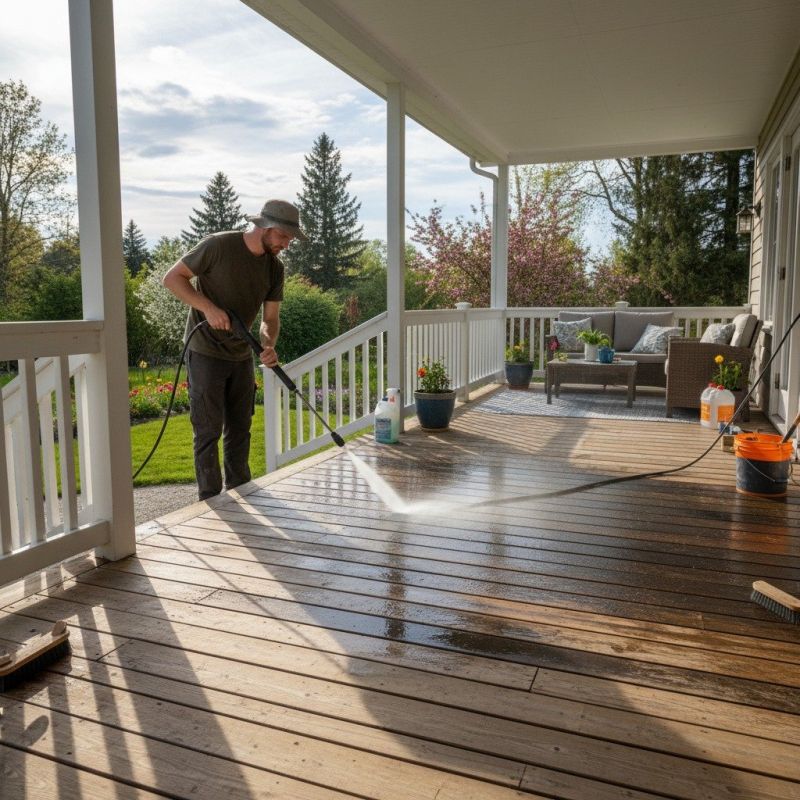
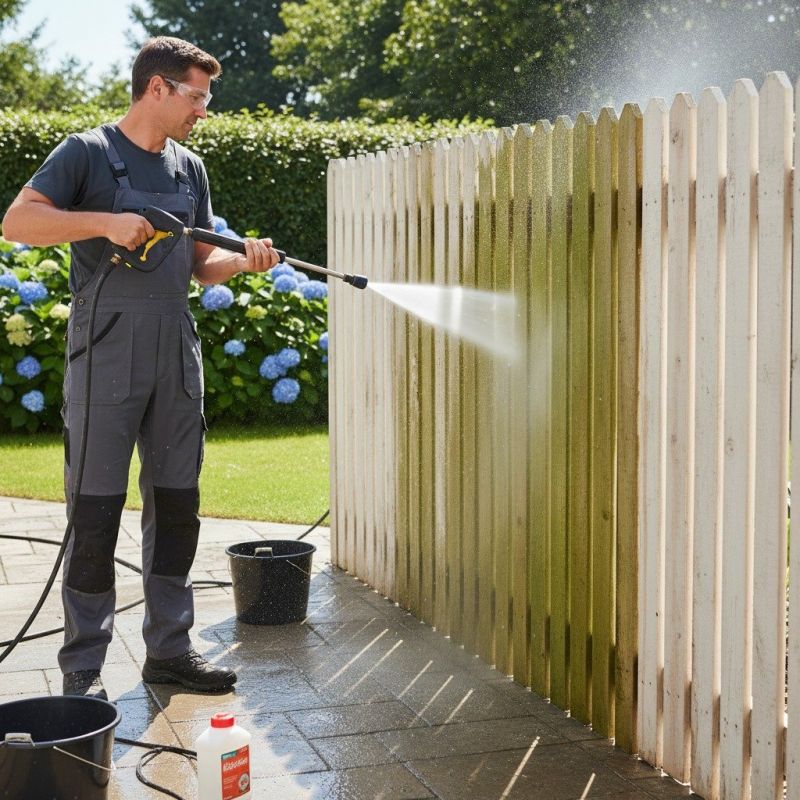
When homeowners search for information about pressure washing vs. soft washing for outdoor cleaning, they often want to understand the differences between these two methods and which is best suited for their specific needs. This topic typically arises when planning to refresh or maintain exterior surfaces like decks, fences, patios, or porches. People may be concerned about removing dirt, grime, algae, or mold that accumulate over time, especially after harsh weather or seasonal changes. The goal is usually to restore the appearance of outdoor spaces and protect the surfaces from damage caused by built-up contaminants, making the choice between pressure washing and soft washing an important consideration for achieving effective and safe cleaning results.
The decision between pressure washing and soft washing is closely tied to common outdoor projects and the problems homeowners encounter. For example, a deck might be stained or covered in moss, while a fence could be stained or warped due to mold growth. Patios and porches often develop stubborn stains, algae, or dirt that can make outdoor living areas look dull or uninviting. Many property owners plan to upgrade or maintain these features to extend their lifespan and enhance curb appeal. Local contractors who specialize in pressure washing services can evaluate the specific needs of each surface and recommend the most appropriate cleaning method, whether that means using high-pressure water to remove heavy grime or gentle soft washing to clean delicate materials without damage.
Different types of properties frequently come up in discussions about outdoor cleaning methods. Residential homes with wood decks, vinyl fences, concrete patios, or brick porches are common projects. Commercial properties, such as storefronts or apartment complexes, may also require regular cleaning to maintain a professional appearance. The surface material, age, and condition of the property influence whether pressure washing or soft washing is the better choice. For instance, older or more delicate surfaces like painted wood or asphalt shingles generally benefit from soft washing, which uses lower pressure and specialized cleaning solutions. Local service providers are equipped to assess these factors and recommend suitable cleaning techniques that help homeowners keep their outdoor areas looking their best without risking damage.
Understanding the differences between pressure washing vs. soft washing for outdoor cleaning helps homeowners make informed decisions about maintaining their property’s exterior features. Pressure washing involves using high-pressure water to blast away dirt, grime, and stubborn stains, making it ideal for hard surfaces like concrete, brick, or stone. Soft washing, on the other hand, employs lower pressure combined with cleaning solutions to gently remove algae, mold, and organic stains from more delicate surfaces like wood or painted surfaces. Many local contractors offer both services and can tailor their approach based on the specific project, surface material, and condition. Whether cleaning a deck, fence, patio, or porch, choosing the right method ensures effective results while protecting the integrity of the outdoor surfaces.
Concrete Cleaning - local contractors often use pressure or soft washing techniques to remove stains and dirt from driveways, sidewalks, and patios, similar to outdoor cleaning for decks and fences.
Gutter Cleaning Services - professionals utilize pressure washing tools to clear debris and buildup from gutters, which requires planning and equipment similar to outdoor surface cleaning projects.
Exterior Wall Cleaning - soft washing methods are commonly employed by service providers to safely clean siding and brick exteriors, paralleling techniques used in soft washing for outdoor surfaces.
Pool Deck and Surroundings Cleaning - local pros often apply pressure or soft washing to remove algae, mold, and dirt from pool decks, aligning with outdoor cleaning for patios and porches.
Fence Restoration Projects - contractors may use pressure or soft washing to prepare fences for staining or sealing, requiring similar planning and equipment as outdoor cleaning services.
Outdoor Furniture Cleaning - pressure washing is used by service providers to restore outdoor furniture, which involves similar techniques and surface considerations as pressure washing for outdoor structures.
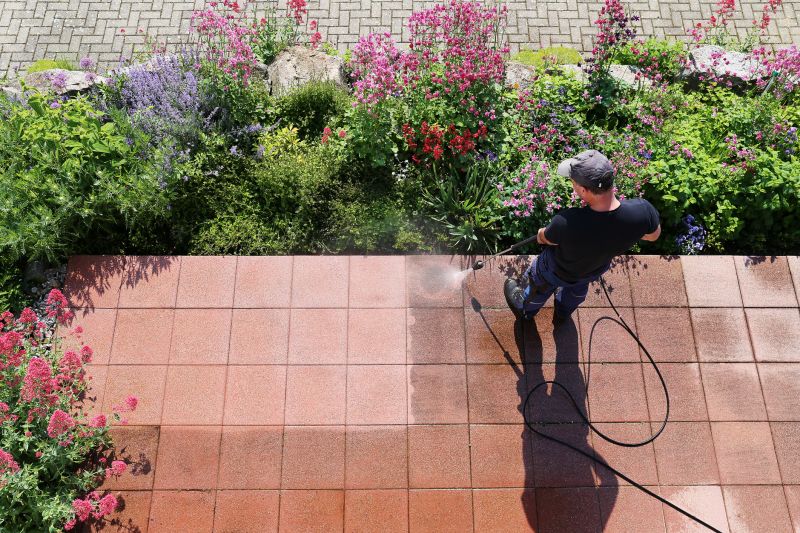
When evaluating contractors for outdoor cleaning projects such as deck, fence, patio, or porch pressure washing, it’s important to consider their experience with similar types of projects. Homeowners should seek out local service providers who have a proven track record of handling outdoor surfaces comparable to their own. An experienced contractor will understand the nuances of pressure washing versus soft washing for outdoor cleaning, ensuring that the chosen method is appropriate for the material and condition of the surface. This familiarity can help prevent potential damage and ensure the job is done effectively, leaving the outdoor space looking refreshed and well-maintained.
Clear communication about expectations is essential when comparing local contractors for outdoor cleaning services. Homeowners should inquire about how each service provider plans to approach the project, including the methods they recommend-pressure washing or soft washing-and why. Reputable contractors will be able to explain the differences, benefits, and limitations of each technique in straightforward terms. Establishing transparency from the start helps ensure that both parties have aligned expectations regarding the scope of work, the results, and any necessary preparation or follow-up, making the process smoother and more predictable.
Reputable references and good communication are key indicators of a reliable contractor. Homeowners should ask for examples of similar projects completed by the service providers and seek feedback from previous clients if possible. This can provide insight into the quality of work and the level of professionalism. Additionally, responsive and clear communication throughout the inquiry process demonstrates that a contractor values customer understanding and is attentive to questions or concerns. These factors contribute to a positive experience and confidence that the chosen local contractor will deliver the outdoor cleaning results desired.
Get a Quote for Deck, Fence, Patio, Or Porch Pressure Washing
Property owners often search for pressure washing vs. soft washing for outdoor cleaning when they are planning practical projects around their homes and businesses. Local pros provide Deck, Fence, Patio, or Porch Pressure Washing services for everyday jobs and straightforward project options.
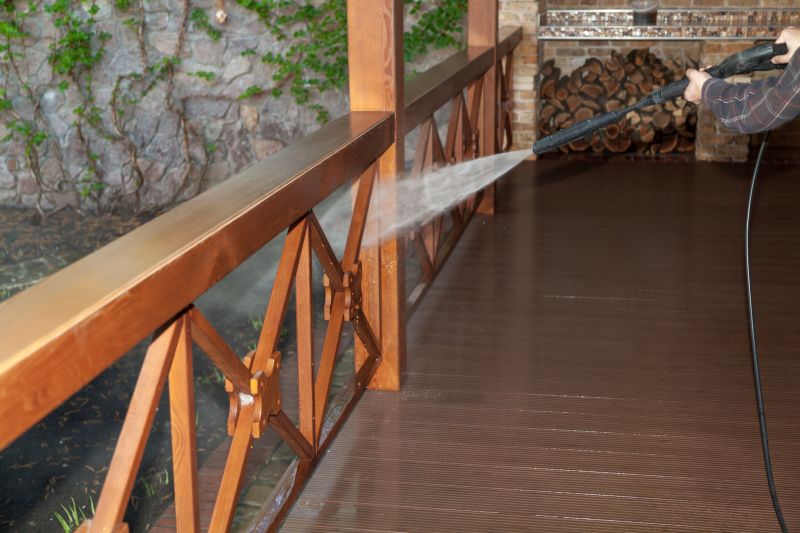
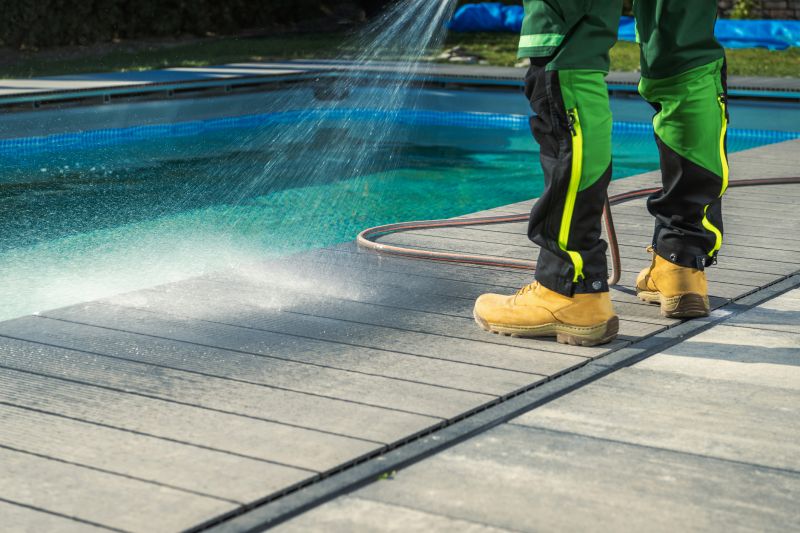
When considering outdoor cleaning projects like refreshing a deck, fence, patio, or porch, property owners often explore the differences between pressure washing and soft washing. Pressure washing uses high-pressure water streams to remove dirt, grime, and loose material from surfaces, making it effective for heavily stained or durable materials such as concrete or wood that can withstand the force. Soft washing, on the other hand, employs lower-pressure streams combined with specialized cleaning solutions, making it suitable for more delicate surfaces that could be damaged by high pressure, like painted wood or siding. Local contractors can assess the specific needs of a property to recommend the most appropriate method, ensuring the cleaning process is both effective and safe for the surface material.
Many property owners look up pressure washing vs. soft washing for outdoor cleaning to determine the best approach for maintaining the appearance and longevity of their outdoor spaces. For instance, a homeowner wanting to brighten a weathered wooden fence or restore a stained porch might find soft washing to be a gentle yet thorough option, especially for surfaces that require careful handling. Conversely, those dealing with stubborn dirt or algae buildup on a concrete patio may lean toward pressure washing for its power to quickly remove tough grime. Local service providers can help evaluate the project and suggest the right cleaning method, ensuring outdoor areas are cleaned effectively without risking damage.
Get a Quote for Deck, Fence, Patio, Or Porch Pressure Washing
What is the main difference between pressure washing and soft washing for outdoor cleaning? Pressure washing uses high-pressure water to remove dirt and grime, making it effective for hard surfaces like concrete. Soft washing employs lower pressure combined with cleaning solutions to gently clean delicate surfaces such as wood decks, fences, and porches without causing damage.
Which method is better for cleaning a wooden fence or deck? Soft washing is typically recommended for wood surfaces like fences and decks because it cleans effectively while minimizing the risk of surface damage that high-pressure washing might cause.
Can pressure washing be used on all outdoor surfaces? No, pressure washing is best suited for hard, durable surfaces like concrete or stone. Using high-pressure water on softer surfaces such as wood or painted surfaces can cause damage, so local contractors often recommend soft washing for these areas.
Are there situations where pressure washing is preferable over soft washing? Yes, pressure washing is more suitable for removing stubborn dirt, moss, or algae from hard surfaces like patios or driveways where high pressure can effectively clean without harming the material.
How do local service providers determine whether to use pressure washing or soft washing? They assess the surface material, condition, and type of dirt or grime to decide the appropriate method, ensuring effective cleaning while protecting the integrity of outdoor surfaces like decks, fences, and porches.
Choosing the right cleaning method - property owners can evaluate whether pressure washing or soft washing is best suited for cleaning their deck, fence, patio, or porch based on material and dirt level.
Preparing surfaces properly - understanding how to prepare outdoor surfaces before pressure washing or soft washing can help ensure effective cleaning and prevent damage.
Scheduling regular cleanings - planning periodic outdoor cleaning projects with local contractors can maintain the appearance and longevity of outdoor structures.
Understanding cleaning techniques - learning the differences between pressure washing and soft washing can help property owners decide which method will deliver the best results for their outdoor surfaces.
If you are thinking about pressure washing vs. soft washing for outdoor cleaning for a property, this guide is meant to help you understand this topic, the typical project types, and how different options might fit your plans.
When you are ready, you can use the quote form on this page to share a few details about your project. From there, local pros can review the basics and follow up with options that match what you have in mind.
Get a Quote for Deck, Fence, Patio, Or Porch Pressure Washing